IR Temperature Tools
Overview of Wind Speed Instruments for Agricultural Environmental Intelligence
Wind speed instruments are essential measurement devices designed to quantify air velocity, turbulence, and directional flow across agricultural environments. These sensors provide high-resolution wind data critical for spray drift control, evapotranspiration modeling, microclimate assessment, and field risk management. Accurate wind velocity monitoring supports data-driven agronomic decisions, enabling controlled chemical application, irrigation optimization, and weather event preparedness.
Modern anemometers and airflow meters integrate digital signal processing, temperature compensation, and corrosion-resistant housings for long-term outdoor deployment. Agricultural testing programs rely on consistent wind profiling to protect crop health and meet compliance requirements. High-quality wind measurement systems ensure reliable data acquisition across open fields, orchards, vineyards, greenhouses, and research plots, strengthening environmental verification and operational accountability across farming enterprises.
Technical Definition of Wind Speed Instruments at Agro Enviro Tests
Engineering Classification of Air Velocity Measurement Devices
Agro Enviro Tests supplies wind speed instruments engineered specifically for agricultural environmental validation programs. These devices measure horizontal and vertical wind movement using calibrated sensing mechanisms designed for continuous outdoor operation.
Wind speed instruments fall into several technically distinct categories:
Cup Anemometers
Mechanical rotational devices that measure wind velocity through rotational frequency proportional to air movement. These instruments are suitable for long-term climatological monitoring and agricultural field stations.
Propeller or Vane Anemometers
Devices combining directional vanes with axial-flow propellers to measure both wind speed and direction. Suitable for spray management and orchard airflow studies.
Ultrasonic Anemometers
Solid-state sensors that determine wind speed and direction using time-of-flight measurements between ultrasonic transducers. No moving parts. Suitable for precision agricultural research and turbulence monitoring.
Hot-Wire Anemometers
Thermal-based sensors that measure air velocity by monitoring heat dissipation across a heated element. Primarily used in controlled agricultural research and greenhouse airflow studies.
2D and 3D Sonic Wind Sensors
Advanced airflow sensors measuring multi-axis wind vectors, enabling detailed turbulence analysis and evapotranspiration modeling for agronomic research applications.
Each product type supports environmental measurement systems designed to verify climatic conditions influencing soil health, crop performance, and regulatory documentation.
Advanced Functional Capabilities of Agro Enviro Tests Wind Speed Instruments
Performance Characteristics for Agricultural Environmental Testing Programs
Wind speed instruments deployed in agricultural monitoring networks must operate reliably under variable weather conditions, including high humidity, dust, chemical exposure, and temperature extremes. Agro Enviro Tests selects and configures instruments capable of meeting these field realities.
High-Resolution Velocity Measurement
Sensors designed with low starting thresholds, often below 0.2 m/s, enabling detection of light wind conditions critical for spray drift analysis.
Wide Measurement Ranges
Operational ranges typically spanning 0 to 60 m/s or higher, supporting storm event monitoring and structural risk assessments.
Fast Sampling Rates
Ultrasonic and digital anemometers capable of high-frequency sampling for turbulence analysis and microclimate characterization.
Temperature and Pressure Compensation
Integrated environmental correction algorithms to maintain accuracy across seasonal temperature shifts common in North American agricultural zones.
Data Output Protocols
Available interfaces include:
- RS-485 Modbus RTU
- SDI-12
- Analog 4 to 20 mA
- Pulse frequency output
- Ethernet or wireless telemetry integration
These communication options allow seamless integration into weather stations, data loggers, SCADA systems, and environmental compliance reporting platforms.
Corrosion-Resistant Construction
Marine-grade aluminum, stainless steel components, UV-stabilized polymers, and sealed bearings ensure longevity in fertilizer-rich and pesticide-exposed environments.
Low Maintenance Requirements
Ultrasonic models eliminate mechanical wear. Mechanical units feature replaceable bearings and calibrated assemblies to extend lifecycle performance.
Mounting and Installation Flexibility
Available with tripod systems, mast mounts, tower installations, and greenhouse ceiling configurations to accommodate varied farm layouts.
Engineering teams often request customized mounting heights to align with crop canopy levels or regulatory measurement standards. Agro Enviro Tests supports these deployment considerations with technical guidance based on real-world field installations.
Configuration Options for Wind Monitoring Networks at Agro Enviro Tests
Modular Integration into Agricultural Measurement Systems
Wind speed instruments can be configured as standalone devices or integrated within multi-parameter climate monitoring stations.
Available configuration enhancements include:
- Integrated wind direction sensors for full vector measurement
- Heated sensor models for frost-prone regions
- Redundant sensing arrays for research-grade validation
- Remote telemetry modules for large agricultural estates
- Solar-powered systems for off-grid field deployment
- Data logging systems with onboard memory and remote export capability
Procurement teams frequently evaluate total system architecture rather than individual sensors. Agro Enviro Tests supports system integrators with documentation packages, wiring diagrams, calibration certificates, and compliance-ready technical specifications.
Industrial and Agricultural Applications of Wind Speed Instruments
Field-Proven Use Cases Across North American Agriculture
Wind speed instruments support multiple operational and regulatory use cases across commercial farming and agricultural research environments.
- Spray drift monitoring to validate pesticide application conditions and reduce off-target chemical movement.
- Evapotranspiration modeling for irrigation scheduling based on real-time airflow and atmospheric demand data.
- Microclimate mapping across orchards and vineyards to assess airflow variability affecting disease risk.
- Greenhouse ventilation performance validation to optimize airflow distribution and crop growth conditions.
- Windbreak effectiveness studies to evaluate protective barrier performance against high-velocity gusts.
- Frost risk assessment using low-speed wind detection combined with temperature monitoring systems.
- Structural risk analysis for agricultural storage facilities under high-wind storm conditions.
- Environmental impact assessments supporting agricultural land development approvals.
- Dust emission monitoring at large-scale farming operations requiring environmental compliance documentation.
- Academic research programs measuring turbulence effects on pollination and plant stress responses.
- Livestock facility airflow studies to maintain ventilation efficiency and animal welfare standards.
- Renewable energy feasibility studies for on-farm wind power assessments.
- Regulatory documentation for pesticide application compliance verification.
- Insurance risk evaluation supporting agricultural infrastructure underwriting processes.
- Field trial validation programs requiring documented meteorological condition records.
These applications reflect operational realities encountered by growers, agronomists, environmental consultants, and regulatory authorities.
USA and Canada Standards and Certifications Relevant to Wind Speed Instruments
Compliance Frameworks Supported by Agro Enviro Tests
Certain agricultural and environmental programs require wind measurement equipment to align with recognized standards. Applicable frameworks may include:
- EPA pesticide application guidelines
- USDA agricultural research protocols
- Environment and Climate Change Canada monitoring standards
- ISO 9060 meteorological instrumentation guidelines
- ANSI and NEMA enclosure ratings
- FCC equipment authorization for wireless telemetry
- CSA certification for electrical safety in Canada
- ASTM standards related to environmental instrumentation
- OSHA workplace environmental monitoring requirements
- State-level Department of Agriculture spray drift regulations
Project-specific compliance requirements vary by jurisdiction and crop type. Engineering teams should confirm local regulatory mandates before system selection.
Technical Advantages of Wind Speed Instruments from Agro Enviro Tests
Engineering Differentiators for Agricultural Environmental Validation
Agro Enviro Tests has quickly established itself as a trusted leader in delivering advanced environmental testing solutions for the agriculture industry. A growing B2B presence across North America reflects our commitment to technology innovation, product reliability, and customer-focused technical support.
Wind speed instruments supplied by our team demonstrate measurable advantages:
Precision Calibration and Verification
Each instrument undergoes strict quality assurance validation before deployment. Calibration documentation supports research-grade applications and regulatory submissions.
Field-Tested Reliability
Systems selected based on operational performance in high-dust, chemical exposure, and high-humidity environments typical of crop production regions.
Scalable Architecture
Wind monitoring solutions can expand from single-sensor installations to enterprise-level agricultural weather networks.
Reduced Mechanical Failure Risk
Ultrasonic sensor options eliminate rotating components, minimizing maintenance cycles and downtime.
Data Integrity Assurance
Shielded cabling, noise filtering, and digital signal processing ensure stable readings in electrically noisy farm environments.
Integration with Multi-Parameter Environmental Systems
Wind speed instruments operate cohesively with soil moisture sensors, rainfall gauges, solar radiation sensors, and temperature probes, enabling comprehensive environmental analytics.
Technical Consultation and System Design Support
Our team collaborates with engineers, integrators, and procurement specialists to align instrument selection with environmental validation objectives, crop type, and regulatory obligations.
Through research, continuous product development, and structured quality control, Agro Enviro Tests helps organizations streamline field monitoring operations and maximize measurement accuracy across agricultural environments.
Deployment Considerations for Engineering and Procurement Teams
Practical Implementation Insights from Agro Enviro Tests
Successful wind measurement programs require attention to installation height, site exposure, and sensor placement.
Engineering considerations include:
- Mounting height relative to crop canopy or regulatory reference standards
- Avoidance of obstructions causing airflow distortion
- Proper grounding for lightning-prone regions
- Shielded cabling for long-distance data transmission
- Periodic recalibration intervals based on environmental exposure
Agricultural environments introduce variability not typically encountered in urban meteorological stations. Dust accumulation, insect interference, chemical residue, and irrigation spray can impact sensor performance if not properly specified. Agro Enviro Tests advises on protective configurations and maintenance schedules derived from real-world deployment experience.
Trusted Environmental Measurement Partner for Agriculture
Agro Enviro Tests combines technical solution architecture expertise with practical agricultural field knowledge. We understand that wind velocity data directly affects pesticide application compliance, irrigation efficiency, infrastructure safety, and environmental reporting.
Procurement teams value:
- Transparent technical specifications
- Clear compliance documentation
- Responsive technical assistance
- Reliable supply chain coordination
- Structured quality control processes
System integrators appreciate the availability of detailed wiring diagrams, communication protocol documentation, and integration guidance. Engineers benefit from performance data, calibration certificates, and application-specific recommendations.
Our approach prioritizes measurable performance, operational reliability, and long-term serviceability rather than generalized claims.
Connect With Agro Enviro Tests
Technical decision-makers seeking validated wind speed instruments for agricultural environmental monitoring can engage directly with our specialists for specification guidance, configuration support, and compliance alignment. Whether you are designing a new climate monitoring network or upgrading an existing agricultural weather station, our team provides detailed technical documentation and deployment recommendations.
Reach out to Agro Enviro Tests through our Contact Us page to discuss product inquiries, integration requirements, regulatory considerations, or customized environmental monitoring solutions tailored to your agricultural operation.
Showing 1–12 of 447 results
-
Product successfully added to the Quote List
-
Product successfully added to the Quote List
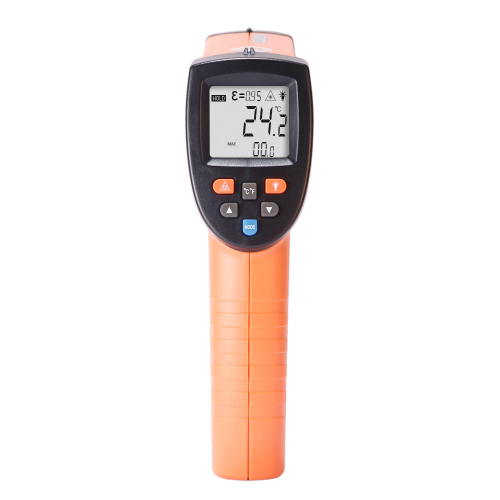
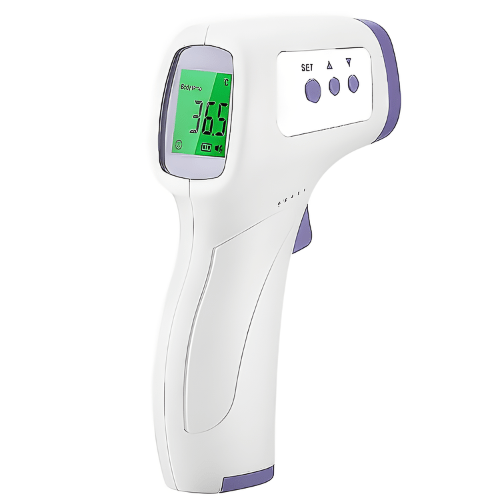
IR Temperature Tools°C/°F Switch Infrared Thermometer with Over Range Indication – Agro Enviro Tests
-
Product successfully added to the Quote List
-
Product successfully added to the Quote List
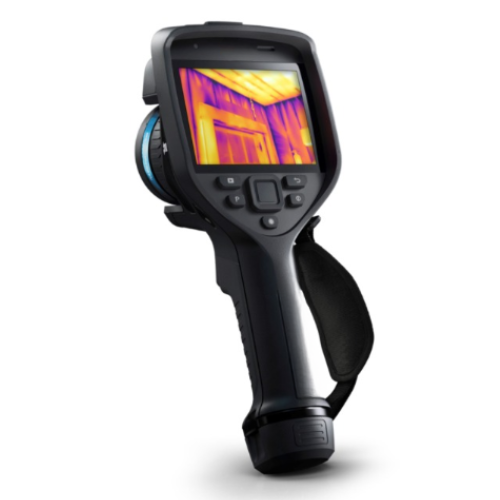
IR Temperature ToolsAdvanced Handheld Thermal Imager with Dual Light Fusion Imaging – Agro Enviro Tests
-
Product successfully added to the Quote List
-
Product successfully added to the Quote List
-
Product successfully added to the Quote List
-
Product successfully added to the Quote List
-
Product successfully added to the Quote List
-
Product successfully added to the Quote List
-
Product successfully added to the Quote List
-
Product successfully added to the Quote List