Gas Detection Sensors
Overview of Gas Detection Sensors
Gas Detection Sensors provide continuous measurement of airborne chemical compounds and atmospheric gases that influence crop health, worker safety, and storage conditions. These sensing devices measure gas concentration in real time using electrochemical, infrared, catalytic bead, and semiconductor sensing technologies integrated into distributed agricultural monitoring networks.
Agricultural production environments frequently experience variations in ammonia, methane, hydrogen sulfide, carbon dioxide, and oxygen levels that can impact livestock housing, soil activity, and enclosed growing areas. Accurate gas monitoring instruments support operational decisions and compliance verification while helping maintain stable growing conditions.
Sensor platforms are typically integrated with agricultural telemetry systems, wireless gateways, and industrial controllers to support long-term environmental data collection. Configurable calibration ranges and ruggedized enclosures allow deployment across greenhouses, storage facilities, manure processing sites, and field installations where reliable atmospheric measurement is required.
Industrial Gas Monitoring Instruments from Agro Enviro Tests
Gas Detection Sensors supplied by Agro Enviro Tests are electronic measurement devices designed to detect and quantify specific gases or groups of gases present in agricultural environments. These instruments convert chemical interactions into electrical signals that represent gas concentration levels expressed in parts per million or percentage by volume.
Typical sensor categories include:
Electrochemical Gas Sensors
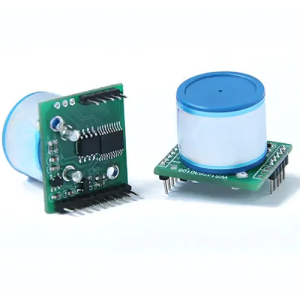
Electrochemical detectors measure target gases through oxidation or reduction reactions at an electrode surface. Current output is proportional to gas concentration and is commonly used for ammonia, hydrogen sulfide, sulfur dioxide, and nitrogen oxides monitoring.
Infrared Gas Detection Sensors
Non-dispersive infrared sensors measure gases such as carbon dioxide and methane by analyzing infrared light absorption at specific wavelengths. These detectors provide stable long-term measurement with minimal cross-sensitivity.
Catalytic Combustible Gas Sensors
Catalytic bead sensors measure flammable gases by detecting heat generated during catalytic oxidation. These sensors are frequently used for methane and volatile organic compound monitoring in manure and storage facilities.
Semiconductor Gas Sensors
Metal oxide semiconductor detectors measure gas concentration through changes in electrical resistance caused by gas adsorption. These sensors are suitable for multi-gas screening and early detection applications.
Agro Enviro Tests supports system integrators and engineering teams by supplying sensors designed for integration with agricultural IoT controllers, data loggers, and supervisory monitoring platforms.
Functional Capabilities for Agricultural Atmospheric Monitoring
Gas Detection Sensors are engineered to operate in demanding agricultural conditions where humidity, dust, and temperature variations affect measurement stability. Sensor electronics include signal conditioning, temperature compensation, and long-term drift correction algorithms.
Measurement capabilities typically include:
- Continuous monitoring of ammonia concentrations in livestock housing and manure handling areas
- Carbon dioxide monitoring for controlled growing environments and soil respiration analysis
- Methane detection near anaerobic digesters and manure storage systems
- Oxygen monitoring in controlled atmosphere storage and confined work areas
- Hydrogen sulfide monitoring in waste processing facilities and slurry storage areas
- Volatile organic compound measurement in pesticide storage and processing zones
- Multi-gas monitoring through modular sensor arrays connected to a single controller
- Alarm outputs for high and low concentration thresholds
- Data logging with timestamped measurement records
- Integration with telemetry networks and industrial monitoring systems
Field deployments across North America have demonstrated that continuous gas monitoring improves ventilation management and reduces the likelihood of hazardous exposure conditions.
Sensor Configuration Options Available from Agro Enviro Tests
Agro Enviro Tests provides configurable sensor platforms to support diverse agricultural deployment scenarios.
Available configuration options include:
- Single gas and multi-gas sensor assemblies
- Analog outputs including 4–20 mA and 0–10 V
- Digital communication protocols including Modbus RTU and RS-485
- Wireless sensor node compatibility
- Weather-resistant and corrosion-resistant housings
- IP65 and IP67 environmental protection ratings
- Heated sensor elements for cold climate operation
- Replaceable sensor cartridges for maintenance efficiency
- Field calibration kits and reference gas compatibility
- Extended cable lengths for distributed installations
- Solar-powered remote monitoring configurations
Research-driven product development and strict quality assurance processes allow Agro Enviro Tests to deliver consistent sensor performance across long-term installations. Growing adoption across North America reflects our focus on product reliability and technical guidance for integrators and facility operators.
Agricultural Monitoring Applications
- Continuous ammonia monitoring inside livestock housing supports ventilation optimization and protects animals from long-term respiratory exposure risks.
- Methane measurement near manure digesters supports emission tracking and helps operators maintain safe operating conditions around biogas equipment.
- Carbon dioxide monitoring inside controlled growing facilities helps maintain stable atmospheric conditions that support consistent crop growth cycles.
- Hydrogen sulfide detection near slurry storage systems helps protect workers and supports regulatory documentation of hazardous gas conditions.
- Oxygen monitoring inside controlled atmosphere storage facilities helps maintain crop preservation conditions and prevents unsafe working environments.
- Multi-gas monitoring around composting operations helps verify stable decomposition conditions and supports emission tracking requirements.
- Volatile organic compound monitoring near pesticide storage areas supports worker safety programs and chemical inventory management procedures.
- Greenhouse atmospheric monitoring supports climate control optimization and documentation of growing conditions for regulated production facilities.
- Soil respiration monitoring through carbon dioxide detection supports agronomic research and soil productivity analysis programs.
- Air quality monitoring near agricultural processing sites supports environmental reporting and long-term atmospheric trend analysis.
Regulatory Compliance and Certification Requirements
- OSHA 29 CFR 1910 Air Contaminants
- OSHA Confined Space Standard 29 CFR 1910.146
- EPA Clean Air Act Monitoring Requirements
- EPA Method 21 VOC Monitoring
- ANSI ISA-92 Gas Detection Standards
- UL 2075 Gas Detection Safety Standard
- CSA C22.2 Gas Detection Equipment Certification
- FCC Part 15 Wireless Device Compliance
- ICES-003 Canada EMC Requirements
- NIOSH Exposure Limits
- ACGIH Threshold Limit Values
Technical Differentiators for Agricultural Atmospheric Measurement
Agro Enviro Tests has established itself as a trusted provider of advanced environmental testing solutions for agriculture through engineering-driven product development and customer-focused support.
Technical advantages include:
- Long-term sensor stability supported by temperature and humidity compensation algorithms
- Selective gas detection reduces cross-interference between ammonia, methane, and hydrogen sulfide measurements
- Rugged sensor housings designed for corrosive agricultural atmospheres
- Modular electronics simplify sensor replacement without rewiring field installations
- Wide operating temperature ranges suitable for outdoor installations across North America
- Low power consumption supporting remote monitoring deployments
- Industrial-grade connectors reduce signal loss in long cable installations
- Calibration traceability supports documentation for regulated operations
- Flexible integration with agricultural IoT monitoring platforms
- Engineering guidance provided for system integrators and facility designers
Engineering teams benefit from working with Agro Enviro Tests because our technical specialists understand the measurement challenges associated with agricultural environments and provide implementation guidance based on real deployment scenarios.
Engineering teams, system integrators, and agricultural operators seeking reliable gas monitoring instruments can work directly with Agro Enviro Tests for product selection and implementation guidance.
Our specialists assist with sensor selection, system architecture design, calibration planning, and integration into agricultural monitoring systems. Organizations planning new installations or upgrades can contact Agro Enviro Tests to discuss technical requirements, request product information, or obtain application-specific recommendations.
Showing 1–12 of 14 results
-
Product successfully added to the Quote List
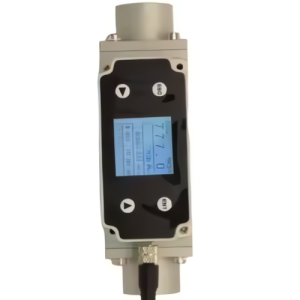
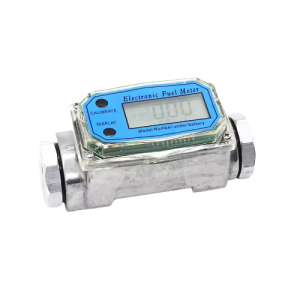
Gas Detection SensorsC3H6O3 HNO3 Mass Flow Sensor for Liquid and Cleaning Agents – Agro Enviro Tests
-
Product successfully added to the Quote List
-
Product successfully added to the Quote List
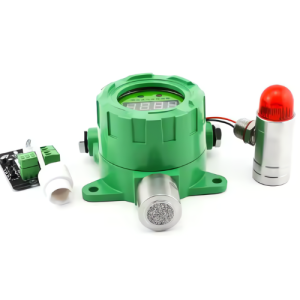
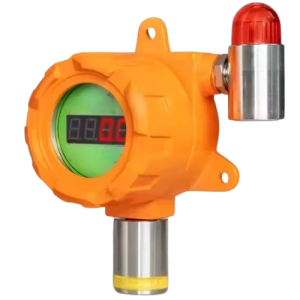
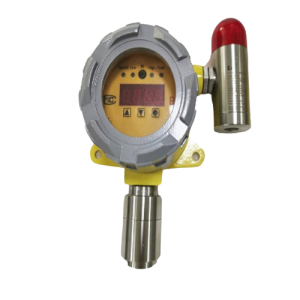
Gas Detection SensorsExplosion Proof Ethylene Methane Gas Detector with LCD Alarm – Agro Enviro Tests
-
Product successfully added to the Quote List
Gas Detection SensorsFixed Digital Display Vehicle Emission Gas Analyzer with Alarm – Agro Enviro Tests
-
Product successfully added to the Quote List
-
Product successfully added to the Quote List
-
Product successfully added to the Quote List
-
Product successfully added to the Quote List
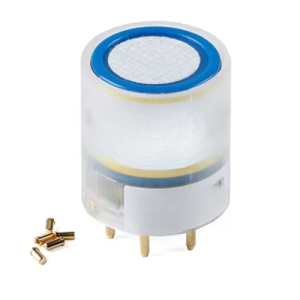
Gas Detection SensorsLong Lifetime Fixed Oxygen O2 Sensor for Chemical Industry – Agro Enviro Tests
-
Product successfully added to the Quote List
-
Product successfully added to the Quote List
Gas Detection SensorsOptical 0 to 10 PPM H2S Gas Detector Pump Sensor Type for Chemical – Agro Enviro Tests
-
Product successfully added to the Quote List
Gas Detection SensorsPortable CO Electrochemical Gas Detector with H2 Compensation – Agro Enviro Tests
-
Product successfully added to the Quote List
Gas Detection SensorsRadar Level Sensor for Chemical and Oil and Gas Industries – Agro Enviro Tests