Multi Gas Detectors
Instrument Architecture and Sensor Technologies for Agricultural Gas Risk Mitigation
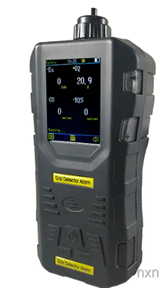
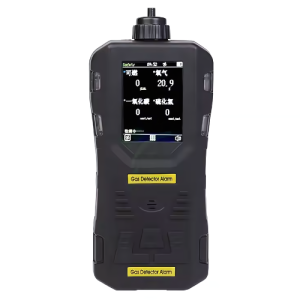
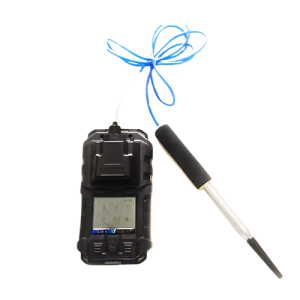
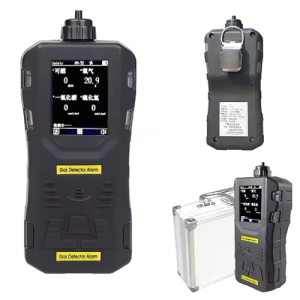
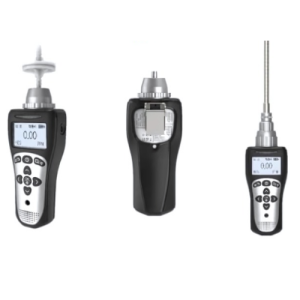
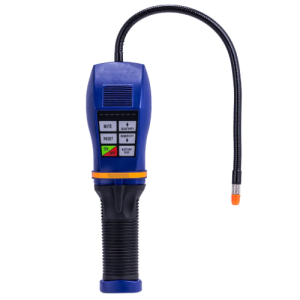
Multi gas detectors are integrated analytical instruments designed to detect, measure, and alarm against multiple hazardous gases within a single enclosure. They combine multiple sensing technologies calibrated to specific gas targets commonly encountered in agricultural settings.
Key product types include:
Portable Multi Gas Monitors
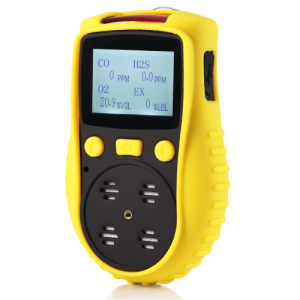
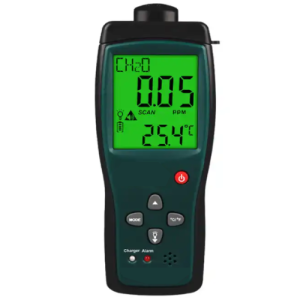
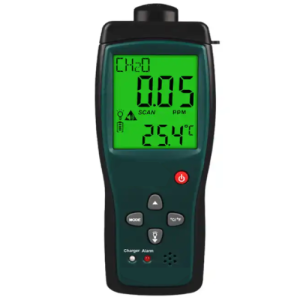
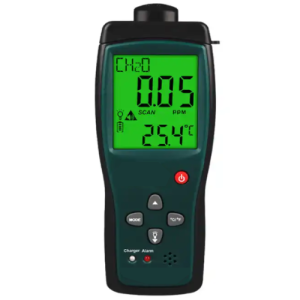
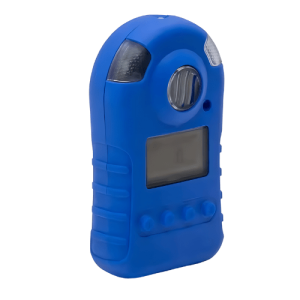
Handheld or wearable gas analyzers equipped with multi-sensor arrays for personal exposure monitoring. These units typically detect:
- Oxygen concentration via galvanic or electrochemical sensors
- Combustible gases through catalytic bead or infrared LEL sensors
- Toxic gases such as hydrogen sulfide and carbon monoxide using electrochemical cells
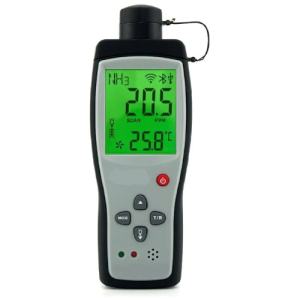
- Ammonia using electrochemical or photoionization sensors depending on range
Portable units are optimized for confined space entry, silo inspections, manure pit maintenance, and emergency response within farm facilities.
Fixed Multi Gas Detection Systems
Wall-mounted or networked gas monitoring devices deployed in barns, feed storage areas, fertilizer warehouses, and processing facilities. These systems:
- Provide continuous real-time atmospheric surveillance
- Interface with ventilation systems or programmable logic controllers
- Support relay outputs for automated mitigation responses
- Enable centralized monitoring across distributed agricultural sites
Fixed multi-gas detection systems are frequently integrated into facility safety control architectures.
Area and Wireless Gas Monitoring Networks
Modular multi-gas sensor nodes connected via wired or wireless infrastructure for distributed environmental mapping across large agricultural installations. These systems support:
- Zone-based risk assessment
- Remote data transmission
- Historical exposure analysis
- Regulatory documentation and audit readiness
Agro Enviro Tests selects and validates detector configurations based on farm scale, gas generation profiles, and operational risk exposure, rather than applying generic instrument templates.
Engineering Features That Support Agricultural Environmental Risk Management
Modern multi gas detectors are configurable platforms designed to address complex gas exposure scenarios in agricultural operations.
Multi-Sensor Integration and Custom Gas Configurations
Gas detection platforms support:
- Simultaneous measurement of up to four or more gases
- Customizable sensor cartridges based on site-specific hazards
- Cross-sensitivity compensation for improved analytical accuracy
- Field-replaceable sensor modules to reduce downtime
Agricultural operations often require methane, hydrogen sulfide, ammonia, oxygen, and carbon monoxide detection in combined configurations. Detector selection is driven by manure decomposition rates, ventilation profiles, and seasonal operational patterns.
Data Logging and Compliance Documentation
Built-in memory and digital communication modules provide:
- Timestamped concentration logs
- Event-triggered alarm records
- USB, Bluetooth, or Ethernet data export
- Integration with facility environmental reporting systems
Such functionality supports regulatory reporting, internal safety audits, and third-party environmental compliance reviews.
Alarm Systems and Response Automation
Multi-gas monitors incorporate:
- Audible and visual alarm thresholds
- Vibration alerts for personal safety devices
- Configurable low and high setpoints
- Relay outputs for automatic ventilation activation
Agricultural facilities with enclosed animal housing or confined manure pits benefit from automated ventilation triggers linked to gas detection thresholds.
Environmental Durability and Ingress Protection
Detectors deployed in agricultural settings must withstand:
- High humidity
- Dust and particulate exposure
- Corrosive ammonia environments
- Temperature fluctuations
Devices are typically rated IP65 or higher and engineered for long-term reliability in harsh farming conditions.
Agro Enviro Tests evaluates environmental stress factors before recommending sensor technologies to ensure long-term calibration stability and reduced lifecycle cost.
Practical Deployment Scenarios in Farming and Agri-Industrial Operations
Multi gas detection instruments support diverse operational and regulatory requirements across the agricultural sector:
- Confined space entry monitoring for grain silos, ensuring safe oxygen levels and methane control
- Continuous hydrogen sulfide surveillance in manure pits to protect maintenance personnel
- Ammonia detection in poultry and livestock housing to preserve worker respiratory safety
- Combustible gas monitoring in biogas digesters to reduce explosion risk
- Carbon monoxide detection in equipment storage areas using fuel-powered machinery
- Fertilizer warehouse atmospheric testing to identify hazardous vapor accumulation
- Greenhouse air quality management to maintain safe CO2 and oxygen balance
- Emergency response readiness during tank cleaning or slurry agitation
- Regulatory compliance monitoring during OSHA or provincial inspections
- Perimeter gas mapping for large livestock facilities to evaluate off-site migration risks
Each deployment scenario requires tailored sensor calibration ranges and alarm thresholds aligned with agricultural risk profiles.
Compliance Frameworks Supported by Agro Enviro Tests
- OSHA 29 CFR 1910.146 Confined Spaces
- OSHA 29 CFR 1910.1000 Air Contaminants
- ANSI Z117.1 Safety Requirements for Confined Spaces
- NFPA 70 National Electrical Code
- NFPA 820 Fire Protection in Wastewater Treatment and Collection Facilities
- CSA C22.2 No. 152 Combustible Gas Detection Instruments
- CSA Z1006 Management of Work in Confined Spaces
- UL 2075 Gas and Vapor Detectors and Sensors
- FM Approvals for hazardous locations
- ATEX certification for explosive atmospheres where applicable
Agro Enviro Tests assists clients in selecting certified instruments appropriate for U.S. federal, state, and Canadian provincial compliance requirements.
Technical Differentiators That Support Long-Term Agricultural Safety Programs
Agro Enviro Tests has established a strong B2B footprint across North America by focusing on measurable performance outcomes rather than catalog-driven distribution. Our approach combines environmental testing expertise with practical agricultural deployment experience.
Application-Specific Sensor Selection
We analyze manure composition, livestock density, ventilation strategy, and facility design before recommending gas sensor configurations. This reduces false alarms and sensor degradation caused by predictable agricultural contaminants.
Calibration and Verification Support
Accurate gas detection depends on calibration integrity. Our programs incorporate:
- Initial factory calibration verification
- Bump test procedures for portable units
- Scheduled recalibration planning
- Calibration gas selection guidance
This structured approach reduces drift-related inaccuracies that often compromise agricultural gas safety systems.
Integration with Environmental Testing Workflows
Multi gas detectors form part of broader agricultural environmental assessment strategies, including soil analysis, water quality testing, and emissions monitoring. Our technical teams help align gas detection data with overall environmental performance reporting frameworks.
Lifecycle Cost Optimization
Sensor replacement intervals, calibration frequency, and environmental exposure are evaluated to estimate total cost of ownership. Durable sensor technologies are selected when ammonia or hydrogen sulfide concentrations are known to accelerate degradation.
Technical Consultation and Field Experience
Real-world implementation has shown that improper placement of fixed detectors often leads to under-reporting of heavier-than-air gases such as hydrogen sulfide. We provide placement guidance based on gas density characteristics and airflow modeling assumptions.
Our strict quality assurance processes and ongoing product evaluation programs ensure that the detection equipment deployed across agricultural facilities meets performance expectations over extended operational cycles.
Technology Leadership and Measurable Reliability
Agro Enviro Tests has quickly established itself as a trusted leader in delivering advanced environmental testing solutions tailored to agricultural operations. Growth across the United States and Canada reflects our commitment to technology innovation, instrument reliability, and responsive technical support.
Continuous research and product development allow us to align gas detection systems with evolving agricultural risk patterns, including expanded biogas adoption and intensified livestock housing models. Our structured quality assurance processes evaluate sensor repeatability, response time, and environmental resilience before deployment recommendations are finalized.
Engineers, safety officers, procurement teams, and system integrators rely on us for:
- Technically substantiated product recommendations
- Transparent performance specifications
- Regulatory-aligned equipment selection
- Practical deployment guidance
Our objective is not only to supply gas detection instruments but to enable agricultural operators to reduce operational risk, protect personnel, and document compliance with confidence.
Agricultural gas hazards demand precise instrumentation and informed technical guidance. Multi gas detectors must be configured according to real operational risk factors rather than generic specifications.
Connect with Agro Enviro Tests to discuss product options, compliance requirements, system integration planning, or technical consultation. Our team will assess your operational environment and recommend validated detection solutions aligned with your safety and regulatory objectives.Reach out through our official Contact Us page to initiate a detailed technical discussion with our specialists.
Showing 109–120 of 253 results
-
Product successfully added to the Quote List
-
Product successfully added to the Quote List
-
Product successfully added to the Quote List
-
Product successfully added to the Quote List
-
Product successfully added to the Quote List
-
Product successfully added to the Quote List
-
Product successfully added to the Quote List
-
Product successfully added to the Quote List
-
Product successfully added to the Quote List
-
Product successfully added to the Quote List
-
Product successfully added to the Quote List
-
Product successfully added to the Quote List