Methane Gas Detectors
Gas Detection Technologies Supporting Agricultural Environmental Assurance
Methane Gas Detectors are electronic instrumentation systems designed to measure methane concentration in ambient air or process gas streams, typically expressed in percentage of Lower Explosive Limit (LEL) or parts per million (ppm).
Within agricultural operations, methane detection equipment is categorized into several technical product types:
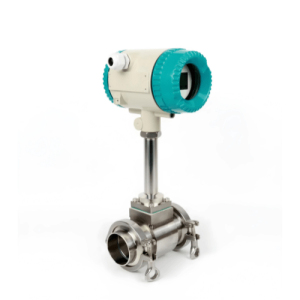
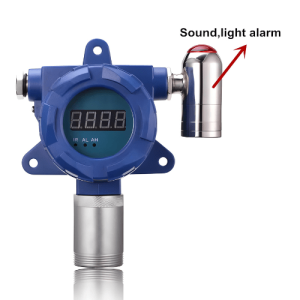
Fixed Methane Gas Detection Systems
Permanently installed gas detection units deployed in livestock facilities, manure storage areas, and biogas production sites. These systems typically include:
- Infrared methane sensors for selective gas measurement with minimal cross-sensitivity
- Catalytic bead sensors for combustible gas detection in explosive risk zones
- Continuous 4 to 20 mA or Modbus output for integration with facility control systems
- Relay-based alarm outputs for ventilation activation and emergency shutdown
Fixed detectors are engineered for continuous atmospheric surveillance in agricultural structures where methane generation is sustained or predictable.
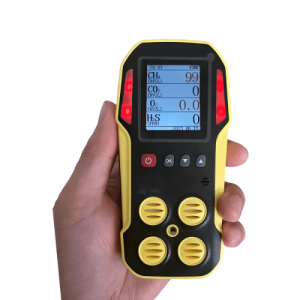
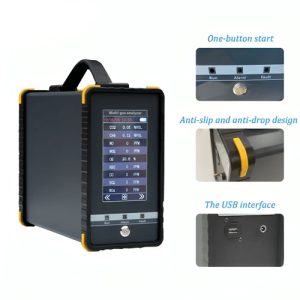
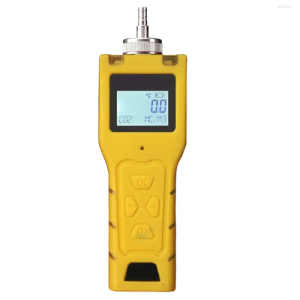
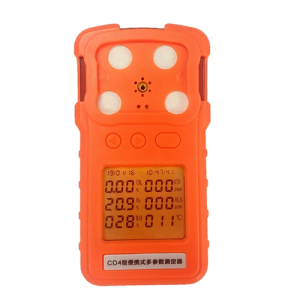
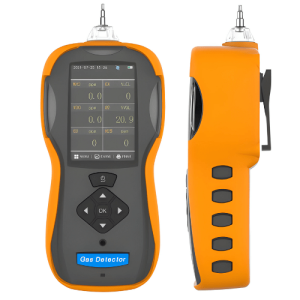
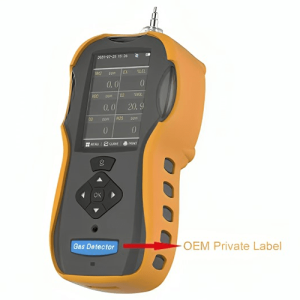
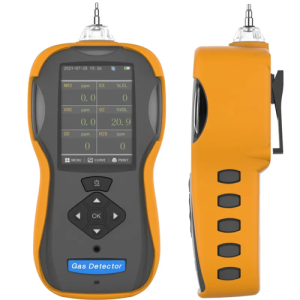
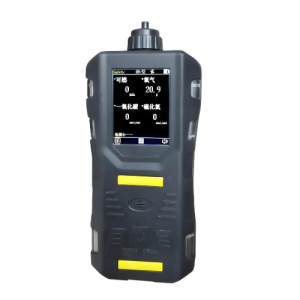
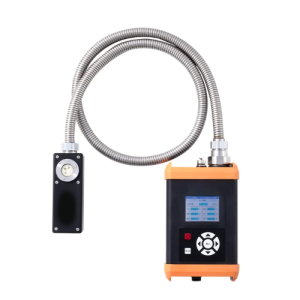
Portable Methane Gas Monitors
Handheld or wearable methane analyzers used by maintenance teams, safety officers, and confined space entry personnel. These instruments feature:
- Battery-powered operation with real-time digital display
- Audible, visual, and vibration alarms
- Data logging capabilities for inspection documentation
- Calibration ports for field validation
Portable units support compliance with occupational safety procedures during manure pit inspections, digester maintenance, and silo entry.
Open-Path Methane Detection Systems
Optical methane monitoring solutions using infrared beam technology to detect methane concentrations across a defined path length. These are suited for:
- Large-scale agricultural biogas installations
- Perimeter emission monitoring
- Leak detection along gas pipelines within farm properties
Open-path detectors provide area coverage beyond point sensors, supporting emissions verification programs and environmental reporting requirements.
Agro Enviro Tests delivers methane sensing equipment aligned with rigorous environmental validation methodologies used in agricultural gas safety assessments.
Sensor Technology and Measurement Accuracy
Methane Gas Detectors deployed in agricultural settings must operate reliably under high humidity, corrosive gases such as hydrogen sulfide, and temperature fluctuations. Key capabilities include:
- Non-dispersive infrared sensing for methane selectivity and long-term stability
- Catalytic oxidation sensing for combustible gas detection in explosive atmospheres
- Automatic temperature compensation for measurement consistency
- Humidity-resistant sensor housing to minimize signal drift
- Field-replaceable sensor modules to reduce downtime
These features support consistent gas concentration measurement for agricultural environmental validation programs.
Configurable Alarm and Control Integration
Methane monitoring systems can be configured to align with farm safety protocols and facility automation systems:
- Adjustable LEL and ppm alarm thresholds
- Multi-stage alarm logic with programmable delay timers
- Integration with SCADA, PLC, and building management systems
- Remote telemetry for centralized environmental oversight
- Redundant power supply configurations for mission-critical installations
Agro Enviro Tests works closely with system integrators to ensure methane detection equipment aligns with ventilation control strategies, emergency response procedures, and documented gas hazard assessments.
Environmental compliance and safety documentation require defensible measurement records. Advanced methane analyzers include:
- Internal data storage with time-stamped readings
- USB, Ethernet, or wireless data export options
- Cloud-ready communication protocols where required
- Calibration audit trails
- Event logging for alarm activation and system faults
These capabilities support agricultural enterprises that must demonstrate regulatory compliance or environmental performance benchmarking.
Methane Gas Detectors are deployed across diverse agricultural scenarios where biogas generation or organic decomposition occurs:
- Continuous methane monitoring in dairy barns to prevent explosive gas accumulation in enclosed livestock housing.
- Biogas plant methane concentration measurement for safe digester operation and optimized energy recovery processes.
- Manure lagoon perimeter monitoring to support emissions tracking and environmental compliance documentation.
- Confined space pre-entry testing for agricultural workers servicing slurry pits or underground storage tanks.
- Grain storage facility methane detection to identify combustible atmosphere formation during organic material degradation.
- Composting facility gas monitoring to ensure safe aeration management and odor mitigation strategies.
- Agricultural research installations conducting greenhouse gas flux measurement and methane emission studies.
- Food processing facilities associated with agricultural operations requiring combustible gas safety oversight.
- Farm-based renewable natural gas upgrading systems requiring methane purity and leak detection monitoring.
- Environmental impact assessments for large-scale livestock operations subject to regulatory review.
These use cases reflect real-world agricultural safety and environmental verification scenarios encountered across North America.
Methane Gas Detectors used in agricultural facilities may be required to comply with applicable standards and certifications, including:
- Occupational Safety and Health Administration (OSHA) regulations
- National Fire Protection Association (NFPA) 70 National Electrical Code
- NFPA 820 Standard for Fire Protection in Wastewater Treatment Facilities
- American National Standards Institute (ANSI) performance standards
- Underwriters Laboratories (UL) certification
- CSA Group certification for Canada
- Canadian Standards Association C22.2 requirements
- Environmental Protection Agency (EPA) reporting requirements
- Canadian Environmental Protection Act (CEPA) provisions
- International Electrotechnical Commission (IEC) standards where applicable
Selection of compliant methane detection equipment depends on facility classification, hazardous area designation, and local jurisdictional requirements
Built for Agricultural Environmental Conditions
Agricultural environments introduce unique operational stressors including ammonia exposure, airborne particulates, and condensation. Methane Gas Detectors supplied by Agro Enviro Tests are selected and validated for:
- Corrosion-resistant enclosures suitable for high-humidity livestock facilities
- IP-rated housings for washdown environments
- Conformal-coated circuit boards to mitigate moisture-related failures
- Shock-resistant sensor mounts for mechanical stability
These design attributes reduce maintenance frequency and improve system uptime in demanding farm conditions.
Calibration Stability and Reduced Lifecycle Costs
Methane sensors deployed in manure handling and biogas facilities must maintain measurement stability to avoid nuisance alarms or false negatives. Engineering differentiators include:
- Long-term sensor drift compensation algorithms
- Simplified calibration procedures using certified methane span gas
- Predictive sensor diagnostics indicating end-of-life conditions
- Modular architecture allowing component-level replacement
Agro Enviro Tests leverages structured quality assurance processes and field validation protocols to confirm instrument reliability prior to deployment.
Integration with Broader Agricultural Monitoring Frameworks
Methane Gas Detectors often function as part of a larger agricultural environmental validation strategy that may include air quality monitoring, emissions assessment, and safety compliance documentation.
Agro Enviro Tests has rapidly established itself as a trusted leader in delivering advanced environmental testing solutions for agriculture. With a growing B2B presence across North America, we focus on technology innovation, product reliability, and customer-focused technical support. Through continuous research, structured product development, strict quality control, and expert advisory services, we help agricultural operators streamline safety programs and maximize the value of gas measurement investments.
Our team collaborates directly with:
- Agricultural engineers designing ventilation systems
- Biogas plant operators optimizing methane capture
- Environmental consultants performing emissions assessments
- Procurement teams specifying compliant gas detection equipment
- System integrators implementing multi-sensor safety architectures
Assumptions regarding hazardous area classification, ventilation rates, and expected methane generation should be validated during site-specific engineering review. We support this process through technical consultation and documented product performance data.
Methane Gas Detectors must be specified according to measurable risk parameters including methane generation rate, enclosure volume, ventilation effectiveness, and regulatory obligations. Selection without a structured hazard assessment may result in underperforming detection coverage or excessive capital expenditure.
Agro Enviro Tests provides technical guidance to ensure methane sensing systems are aligned with operational realities and environmental compliance objectives. Our engineering-driven approach supports agricultural enterprises seeking defensible, reliable, and auditable gas monitoring solutions.
For detailed product specifications, integration guidance, or project consultation, connect with our technical team through the Agro Enviro Tests Contact Us page to discuss your methane gas detection requirements across the USA, Canada, or global agricultural markets.
Showing 85–96 of 190 results
-
Product successfully added to the Quote List
-
Product successfully added to the Quote List
-
Product successfully added to the Quote List
-
Product successfully added to the Quote List
-
Product successfully added to the Quote List
-
Product successfully added to the Quote List
-
Product successfully added to the Quote List
-
Product successfully added to the Quote List
-
Product successfully added to the Quote List
-
Product successfully added to the Quote List
-
Product successfully added to the Quote List
-
Product successfully added to the Quote List